

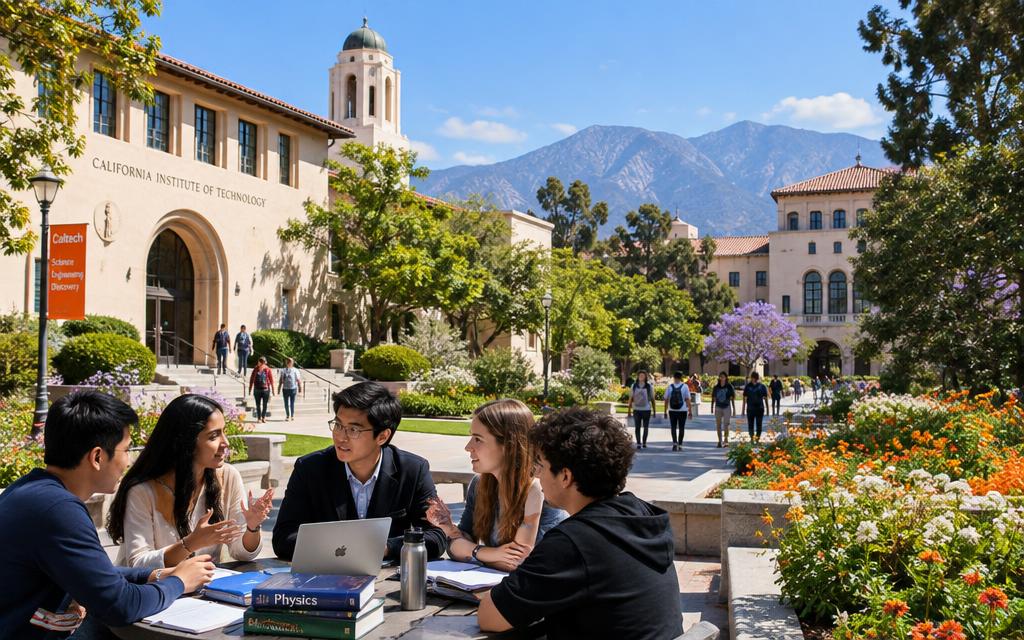
The question “is california institute of technology an ivy league” school has a clear answer: No, Caltech is not part of it. The Ivy League is a formal athletic conference with eight private universities in the Northeastern United States. Caltech, short for California Institute of Technology, is an independent research university in Pasadena, California.
The phrase “Is Caltech Ivy League” often leads to comparisons. Caltech has a strong global reputation, especially in physics, astronomy, chemistry, engineering, and computer science. Its exclusion from the Ivy League does not mean lower academic quality.
This article compares Caltech with Ivy League institutions. It covers athletics, admissions selectivity, research achievements, student experiences, career outcomes, and financial aid opportunities. These differences clarify the California Institute of Technology Ivy League status and explain why people mention Caltech with Ivy League schools.
Key Takeaways
- Caltech is not an Ivy League school but is highly regarded in academia.
- The Ivy League consists of eight universities in the Northeastern U.S.
- Caltech excels in STEM fields, showcasing its strong research capabilities.
- Being excluded from the Ivy League does not diminish Caltech’s academic quality.
- The article will cover various aspects of Caltech compared to Ivy League schools.
Understanding the Ivy League: Definition and Origins
The Ivy League meaning starts with a group of eight prestigious universities in the United States. People often connect it with elite education, but its definition includes more than academic reputation.
The Ivy League universities have shared a long relationship since the colonial era. Their Ivy League history helped shape a distinct academic and athletic environment. Understanding the Ivy League definition requires its historical context and role in American higher education.
The Eight Official Ivy League Schools
The eight Ivy League schools are listed below.
| University | Founded | Location |
|---|---|---|
| Harvard University | 1636 | Cambridge, MA |
| Yale University | 1701 | New Haven, CT |
| Princeton University | 1746 | Princeton, NJ |
| Columbia University | 1754 | New York, NY |
| University of Pennsylvania | 1740 | Philadelphia, PA |
| Dartmouth College | 1769 | Hanover, NH |
| Brown University | 1764 | Providence, RI |
| Cornell University | 1865 | Ithaca, NY |
Common Misconceptions About the Ivy League
Many misconceptions surround the Ivy League. Some people believe membership makes a school the best in the United States. However, the Ivy League is not the top choice for every student.
Caltech, Stanford University, and the Massachusetts Institute of Technology also offer exceptional education. They may excel in specific disciplines.
Also, Ivy League membership does not mean every school is private or highly selective. Most are private, but prestigious public universities can match them academically. Membership depends on conference affiliation and historical context, not a universal ranking system.
Related Posts:
- Is Nectar Cooling Technology Worth It? Benefits,…

- What Came First Science or Technology A Historical…

- How Technology Impacts Teaching and Learning Modern…

- How to Use Technology Ethically: A Practical Guide…

- What Does SMA Mean in Technology Connectors and Antennas

- Is Technology Making Life Better or Worse The Great Debate

Is California Institute of Technology an Ivy League School?
Caltech, also called the California Institute of Technology, ranks among elite universities but is not an Ivy League member. Understanding Caltech Ivy League status requires noting its rigorous academics and strong research, alongside its differences.
Caltech’s intercollegiate teams compete in the NCAA Division III. The Ivy League competes in NCAA Division I. The Caltech athletic conference is the Southern California Intercollegiate Athletic Conference (SCIAC), which supports its academic focus.
Caltech’s Official Athletic Conference Affiliation
In the SCIAC, Caltech teams play several sports while keeping academics central. This setup helps student-athletes succeed in sports and their studies. Unlike Ivy League schools, Caltech places academic excellence above athletics.
Why Caltech Is Often Grouped With Ivy League Schools
People often compare Caltech with Ivy League schools because of selective admissions and high academic standards. Its small undergraduate enrollment supports close ties between students and faculty. Its distinguished faculty, major research, and influential alumni support its reputation among the world’s leading elite research universities.
The phrase “Ivy League-caliber” is informal, not an official classification. Caltech vs Ivy League comparisons show Caltech’s focus on science and engineering research. It focuses less on broad liberal arts and professional programs.
| Feature | Caltech | Ivy League Schools |
|---|---|---|
| Conference Affiliation | NCAA Division III (SCIAC) | NCAA Division I |
| Focus | Science and Engineering | Liberal Arts and Professional Studies |
| Admissions Selectivity | Highly Selective | Highly Selective |
| Undergraduate Enrollment | Small | Varies by Institution |
Caltech’s Academic Reputation and Global Rankings
Caltech is a leader in academic excellence and innovation in science and technology. Caltech academic reputation helps it rank among the best science universities worldwide. Various organizations judge its standing by research, faculty resources, and international outlook.
National and International University Rankings
Caltech rankings from respected groups show its strong academic reputation. U.S. News & World Report, QS World University Rankings, and Times Higher Education consistently place Caltech among global university leaders. These rankings consider:
- Research citations and impact
- Faculty qualifications and resources
- Graduate outcomes and employability
- International collaboration and outlook
Rankings can vary significantly based on the methodology used. They do not provide definite proof that one university is better than another.
Strength in STEM and Scientific Disciplines
Caltech is especially strong in STEM and scientific fields. It excels in physics, astronomy, chemistry, biology, mathematics, computer science, and engineering.
- Physics
- Astronomy
- Chemistry
- Biology
- Mathematics
- Computer Science
- Engineering
Its close relationship with NASA’s Jet Propulsion Laboratory, which Caltech manages, strengthens its scientific profile. This partnership supports groundbreaking research and innovation, making Caltech a top STEM university.
Caltech academic reputation matches, and often exceeds, that of Ivy League institutions, especially in technical fields. Its research and development focus continues to attract top talent and funding, keeping it among the world’s elite universities.
Comparing Caltech to Ivy League Institutions
When comparing the California Institute of Technology (Caltech) with Ivy League schools, consider more than reputation. Both value academic excellence and rigorous standards. However, they differ in selectivity, class sizes, and faculty contact.
Selectivity and Acceptance Rates
Caltech has a selective admissions process, much like many selective universities. The Caltech acceptance rate is usually 3-4%, making Caltech one of the nation’s most competitive universities. Ivy League acceptance rates often range from 4% to 10%, based on the school and applicant pool.
Acceptance rates change with applicant numbers and institutional goals. A lower rate does not prove higher academic quality or ensure admission for every qualified applicant. Applicants should show academic preparation, research interests, and personal fit.
Faculty-to-Student Ratio and Class Sizes
The faculty-to-student ratio matters when comparing Caltech with Ivy League schools. The Caltech student-faculty ratio is remarkably low, supporting personal attention and mentorship. This close setting encourages collaboration and innovation among students and faculty.
Ivy League schools often have larger student populations and varied class sizes. Some are small college classes, while others are large, affecting interaction with professors. Caltech’s favorable ratio can provide more mentorship and research access, improving the educational experience.
Ultimately, Caltech and Ivy League schools offer unique advantages. Students should consider their goals and the academic environment that best suits them.
Caltech Admissions Selectivity and Standards
Caltech admissions are rigorous and highly selective. Applicants face strong competition and need excellent academic results, especially in quantitative subjects.
For the Caltech undergraduate application, applicants must prepare carefully. They need strong grades, especially in mathematics and science, plus essays showing STEM passion and intellectual curiosity.
Recommendation letters also matter. Teachers should describe the applicant’s abilities and potential. Testing rules may change, so applicants should check Caltech’s official website for current Caltech application requirements.
For Caltech graduate admissions, standards differ from undergraduate standards. Each program sets expectations for previous coursework and research experience. Strong recommendation letters and clear statements of purpose are essential.
Research fit with faculty matters greatly in graduate admissions. Applicants should explain how their interests match research at Caltech. They should also review department requirements and funding information, which can vary widely.
Studying at Caltech requires high standards in undergraduate and graduate programs. Each application step helps identify candidates who can thrive in this challenging academic setting.
Research Opportunities and Faculty Excellence
At Caltech, Caltech research opportunities abound, making it a standout scientific research university. Its advanced centers support work in astrophysics, biology, chemistry, engineering, and environmental science. These resources help students and Caltech faculty pursue new discoveries.
JPL leads robotic space exploration and gives students chances to join groundbreaking projects. Caltech also supports faculty-led labs, summer research programs, and senior projects. These projects strengthen learning, build practical skills, and support major scientific advances.
Major Research Facilities and Centers
Caltech research facilities serve many scientific fields. The Caltech Optical Observatories help students study space, while the Caltech Seismological Laboratory examines earthquakes and tectonic processes. The Beckman Institute for Advanced Science and Technology supports interdisciplinary research, and the Resnick Sustainability Institute addresses environmental challenges.
These facilities improve education and encourage collaborations that produce groundbreaking discoveries. Research remains central to Caltech’s academic culture and attracts students seeking real-world solutions.
Nobel Laureates and Notable Faculty Members
Caltech has a Nobel Prize Caltech legacy, with many esteemed faculty members becoming Nobel Laureates. Richard Feynman, Murray Gell-Mann, and Kip Thorne helped build its legacy through major scientific achievements. These scholars won prestigious awards and helped shape education at Caltech.
Students learn in an environment active in research and interact with leading experts. This interaction prepares them for challenges in their fields and strengthens their education. Awards matter, but collaboration and excellence also shape Caltech’s unique learning environment and inspire innovation.
Campus Culture and Student Experience
Caltech campus culture combines demanding study with a strong community. Students work closely with peers and faculty, creating a shared sense of belonging. This support helps them manage challenging coursework.
The Caltech student life includes student groups, athletic programs, and artistic activities. Because the student body is small, students often build close academic and social networks. They join science, engineering, arts, and performance groups, enriching their Pasadena college experience.
Residence life strongly shapes the undergraduate experience. Students live in one of several residential houses, each with its own culture and traditions. This system brings together students from different fields and supports interdisciplinary learning.
Student Life at Caltech
Caltech offers tutoring and mentoring programs to help students manage demanding workloads. Community events and athletics balance academic life, helping students relax and connect.
Traditions and Campus Environment
Caltech’s location in Pasadena provides access to Southern California’s rich cultural and scientific communities. Caltech traditions include Ditch Day, when students play practical jokes on faculty and fellow students. These traditions and student events create a lively campus environment.
Caltech’s culture differs from the larger, more varied settings at many Ivy League institutions. No single student experience represents every individual. This compact, research-focused campus suits students who value intense study and close peer connections.
| Aspect | Caltech | Ivy League Institutions |
|---|---|---|
| Student Body Size | ~1,000 Undergraduates | ~6,000 – 10,000 Undergraduates |
| Campus Traditions | Ditch Day, House Competitions | Varied, often historic events |
| Academic Focus | STEM Emphasis | Broad, with diverse disciplines |
| Community Engagement | Strong Peer Networks | Varied, larger networks |
Career Outcomes and Alumni Network
Caltech career outcomes remain strong in academia and industry. Their education builds quantitative, analytical, and research skills for many career paths. Its rigorous curriculum prepares students for advanced study and jobs at leading companies.
The graduate school placement rates for Caltech alumni are impressive. Many students pursue Ph.D. programs, medical school, or engineering graduate programs. Others attend business or law school, based on their interests and career goals.
Caltech defines graduates seeking further education as students who actively apply to or enroll in graduate programs.
Graduate School Placement Rates
Caltech’s commitment to academic excellence leads to high graduate school placement rates. Alumni often enter top-tier programs across many disciplines. Faculty support and strong advising help students prepare for their next educational steps.
Industry Employment and Entrepreneurship
Many Caltech graduates enter the workforce after graduation. They find STEM careers and other opportunities in aerospace, biotechnology, software, energy, finance, consulting, semiconductors, and data science. Caltech’s ties to Southern California’s innovation ecosystem help create these connections.
The Caltech alumni network offers graduates a vital resource. Alumni support one another through mentorship, hiring connections, and collaborative ventures. This network improves career outcomes and supports Caltech entrepreneurship among graduates.
Outcomes vary by major, degree level, and personal choices. Caltech’s focus on real-world applications prepares students for success. Strong education and alumni support help graduates thrive in their chosen fields.
Financial Aid and Tuition Considerations
Understanding Caltech tuition helps prospective students plan their education. The cost of attending Caltech may seem daunting, but Caltech financial aid can reduce this burden. Students should review their options to afford a quality education.
Caltech offers several financial aid programs to support undergraduate students. These include:
- Institutional Grants: Need-based grants that do not require repayment.
- Caltech Scholarships: Merit-based awards that recognize academic excellence.
- Work-Study Programs: Opportunities for students to work part-time to help cover expenses.
- Loans: Federal and private loans available to assist with tuition costs.
- Outside Awards: Scholarships from external organizations that can supplement financial aid packages.
Students should distinguish need-based aid from Caltech scholarships. Need-based aid depends on family finances, while merit scholarships reward academic achievement. For accurate estimates, use Caltech’s official net price calculator and ask the financial aid office about deadlines and required documents.
Return on Investment for Caltech Graduates
The return on investment for a Caltech education can be significant. Rigorous training and research opportunities prepare graduates for careers in high-demand fields. Key factors influencing ROI include:
- Total Borrowing: The amount borrowed for education can affect financial outcomes.
- Family Contribution: Financial support from family can lessen student debt.
- Degree Level: Advanced degrees may lead to higher earning potential.
- Career Choice: Certain fields offer better salaries than others.
- Geographic Location: Job markets vary significantly by region.
Caltech graduates often achieve strong career results, but these benefits are not guaranteed. Students should consider their goals and compare net costs with Ivy League and other prestigious institutions. This careful approach supports an informed choice about their future.
Conclusion
Is Caltech an Ivy League school? No, it does not belong to the eight universities in the Ivy League athletic conference. This does not lessen Caltech’s standing among top American universities, known for rigorous academics and exceptional STEM research.
Caltech compared to Ivy League schools shows two institutions with different strengths. The Ivy League rests on history and tradition, while Caltech builds its reputation through scientific innovation and academic excellence. Students should consider Caltech degree value, which can open doors to prestigious graduate programs and high-demand careers.
To choose Caltech means prioritizing a curriculum focused on research and close faculty interaction. Students gain state-of-the-art facilities and a vibrant campus culture that supports collaboration and creativity. They should also weigh financial aid options and career goals when choosing a university.
In summary, Caltech is not an Ivy League school, but it leads in education and research. Its unique offerings make it an excellent choice for students seeking academic and professional success.